CHEZ JIM
BOOKS
|
|
To PREVIEW or BUY any book, click on the image of its cover.
|
|
|
Survivors, observers and suicides themselves speak in these original pieces, which can be used individually or in a complete production. |

For some sample monologues from the collection, click here.
|
|
|
Human drama, heartbreak and even nobility burst from many of these true life tales, filled with details of daily life and insights into a former time - not so different, in many ways, from our own! |

|
|
|
A rich parade of characters - some sordid, some admirable, some a touch comic - appears in this material, as well as a great deal of very human drama. |

|
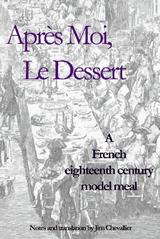
Have you ever wanted to make an eighteenth century meal? This book, starting with a menu from a classic French cookbook, tells you how. Even if you don't have a house full of servants and a kitchen with numerous hearths, you'll find enough original French eighteenth century recipes - newly translated - here to entertain a number of guests in true eighteenth century style. |
|
This collection includes recipes for game, veal, beef, chicken and various sauces, salads and other tasty items, worth making on their own or as part of a full, elegant period meal. |
|
The second volume in this series presents VEGETARIAN recipes from Old Regime France. No, it's not a modern gimmick - in Catholic France, meat was forbidden on some days, and so one of the choices was this "meal of roots"; including not only carrots, parsnips, beets, turnips, etc., but also lentils and peas, onions, artichokes and asparagus. |
|
This collection includes over 100 recipes for soups, stews, salads, sweets, even... mock fish, made from vegetables of every sort (and even a fish or two). |

For more about the book and some sample recipes, click here.
|
The first mistake the French royal authorities made was arresting the fiery journalist Henry Linguet; the second was letting him go - to write a book that some say brought down the Bastille. The book was an immediate hit, and stirred up feelings against the grim, mysterious castle which once dominated the east view of Paris. The day its destruction began - July 14 - was also Linguet's birthday, a "present" which must have made him rejoice. |
|
This re-issue of a contemporary translation (the book was a bestseller in England) is heavily annotated and includes a portrait of Linguet, two different views of the Bastille, showing the names of the different towers, as well as a description of the castle's layout, a sample entry form, and accounts of the food in the Bastille (which wasn't half bad). |

For more about the book and samples of Linguet's comments, click here.
|
Edgar Allan Poe, graphologist? Edgar Allan Poe, critic? Yes to both. In addition to his many reviews, in 1841, while working at Graham's Magazine, he published analyses of autographs from numerous literary figures of his age. Published as "A Chapter on Autography", this work is freqently mentioned in books on graphology. But Poe's remarks are as literary as they are graphological, and his choice of subjects provides a concise overview of the literary figures of his period.
|
|
This new edition of Poe's work - Edgar Allan Poe Analyzes Handwriting: - includes introductory notes and a Biographical Dictionary to Poe's Subjects, offering students of 19th century American literature a wealth of information on figures of the period and students of Poe intriguing glimpses of his literary values. Graphologists will find here not only Poe's comments on characteristics of the handwriting, but a valuable collection of signatures. |

For more about the book and SAMPLE SIGNATURES WITH POE'S COMMENTS, click here.
|
Yes,
the French kings really did eat peacocks - and swans, and herons, and
blackbirds too. Taillevent, the cook who served two of them, not only cooked
these dishes, but left a book on how to do it. He called it Le Viandier.
In this new translation, it's called:
How To
Cook A Peacock |
|
·
For recreational
medievalists ·
For lovers of
culinary history ·
For students of
medieval life ·
For adventurous cooks
|
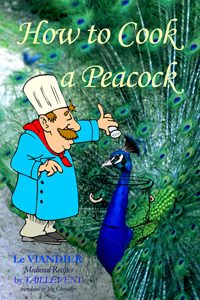
For more about the book and some FREE MEDIEVAL RECIPES, click here. Or click HERE to download the book for $5.99!
|
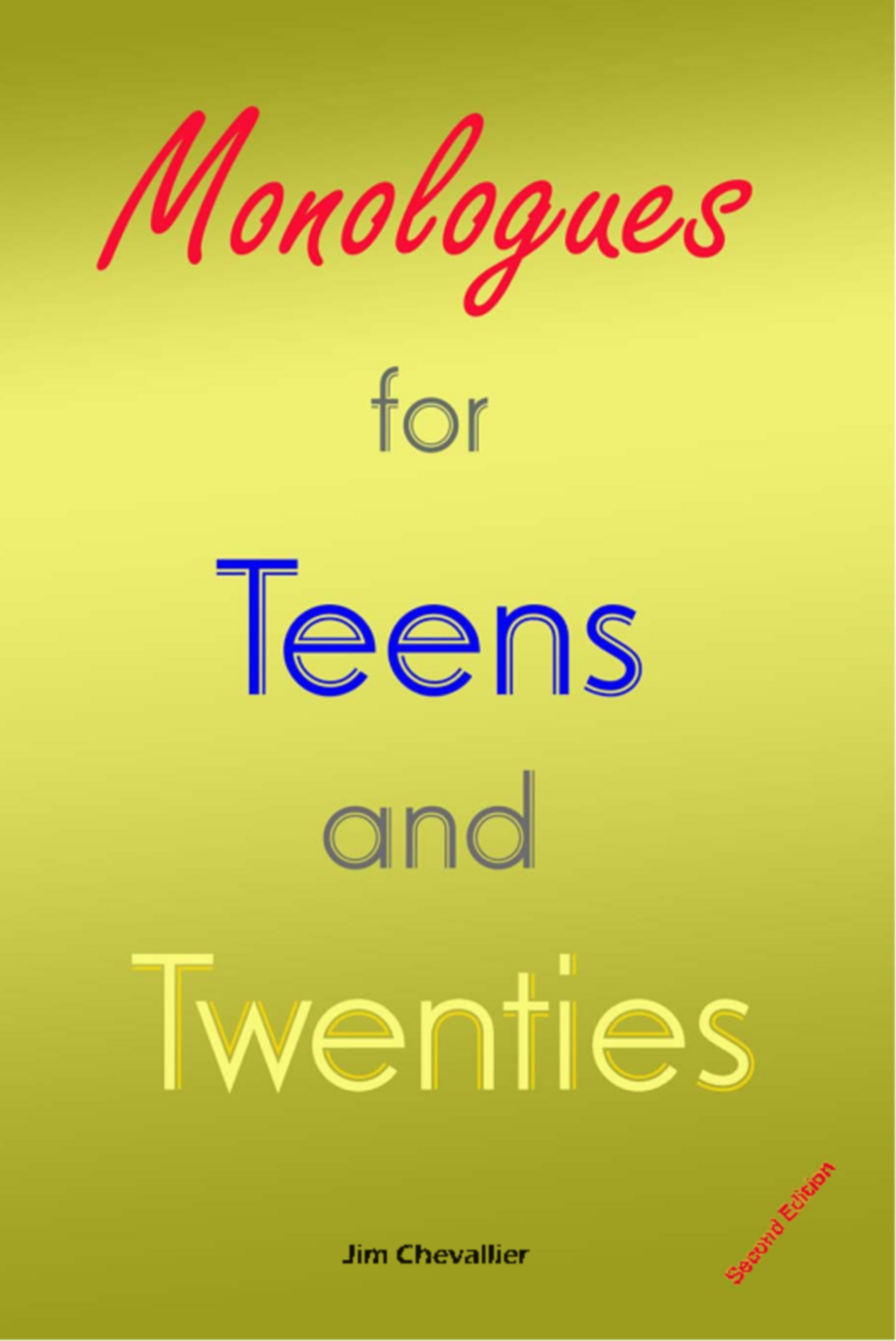
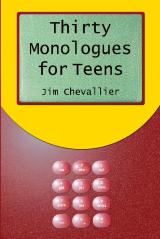
Actors are always looking for new, fresh monologues, especially suited to their types. Many have found just the piece they need in one of these three collections of original monologues: The Monologue Bin, or, extracted from that book, Monologues for Teens and Twenties and now Thirty Monologues for Teens. |

|
·
For auditions ·
For performance ·
For class
·
For practice
·
Just for FUN!!! |
For more about the book and some FREE MONOLOGUES, click here.
The VIEWS OF series: world travel through photographic chapbooks
|
One of the most varied countries in Africa: mountains, valleys, beaches, and forests. See landscapes, insects, animals, churches, carvings and more from Cameroon. |
|
|
No chimneys or drive-through trees. Just the redwoods from the Avenue of the Giants. |

